Buy loran-europe.eu ?
We are moving the project
loran-europe.eu .
Are you interested in purchasing the domain
loran-europe.eu ?
domain@kv-gmbh.de · 0541-91531010
Buy loran-europe.eu ?
What is the torture method of sensory deprivation?
Sensory deprivation is a torture method that involves isolating a person from all sensory input, such as sight, sound, touch, and sometimes even taste and smell. This can be achieved through various means, such as blindfolding, earplugs, and restraints. The purpose of sensory deprivation is to disorient and break down the individual's sense of self, leading to psychological distress and potential long-term psychological damage. **
What is food deprivation as self-punishment?
Food deprivation as self-punishment is a behavior in which individuals intentionally restrict or deny themselves food as a form of punishment or control. This behavior is often associated with disordered eating patterns and can be a way for individuals to cope with emotional distress or feelings of guilt. It can also be a way for individuals to exert control over their bodies and punish themselves for perceived failures or shortcomings. Food deprivation as self-punishment can have serious physical and psychological consequences and is often a sign of underlying emotional issues that need to be addressed. **

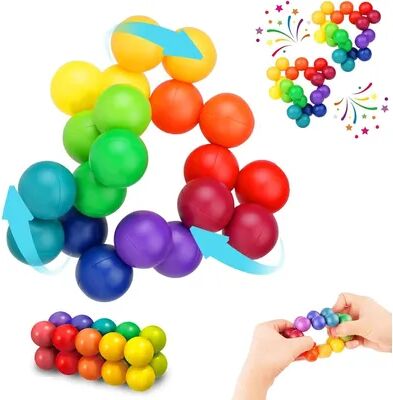
Similar search terms for Sensory deprivation
Top-Angebote
Products related to Sensory deprivation:
-
Inspired Living 10 Piece Mini Bread Squishy Keychain Set, Kawaii Soft Food Sensory Toys 10 Piece Mini Bread Squishy Keychain Set, Kawaii Soft Food Sensory ToysFall in love with the little things that make everyday moments more fun. This mini bread squishy set includes 10 randomly assorted soft foodshaped toys designed for squeezing, collecting, clipping onto bags, or adding charm to pretend play. It is a...28,97 $*Shipping: 0,00 $Secure redirect to the provider
-
From the Archives: Black History and Culture Value PackThis brand-new series is rooted in a profound commitment to shedding light on some of the important -- and often lesser-known -- aspects of Black history. From the Archives features landmarks, events, people, and artistic endeavors that have played...26,99 $*Shipping: 0,00 $Secure redirect to the provider
-
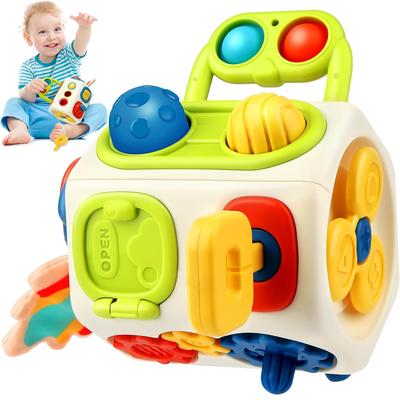
JoyToys Montessori Busy Cube Sensory Toy For Toddlers Educational Busy Board Travel Activity Cube Montessori Busy Cube Sensory Toy For Toddlers Educational Busy Board Travel Activity CubeExperience the joy of watching your little one learn through play with this Montessori busy cube designed to keep curious hands and growing minds engaged. Packed with interactive activities, this sensory toy for toddlers encourages independent...49,97 $*Shipping: 0,00 $Secure redirect to the provider
-
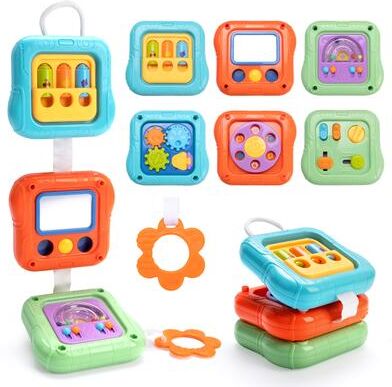
JoyToys Montessori Busy Board Handbag Sensory Toy For Toddlers Fine Motor Skills Travel Activity Toy Montessori Busy Board Handbag Sensory Toy For Toddlers Fine Motor Skills Travel Activity ToyExperience the joy of watching your little one learn through play with this Montessori busy board designed to inspire curiosity and independence. Packed with engaging handson activities, this portable sensory toy keeps toddlers entertained while...39,97 $*Shipping: 0,00 $Secure redirect to the provider


-
What are sensory cells, sensory organs, and senses?
Sensory cells are specialized cells that detect and respond to specific stimuli, such as light, sound, touch, taste, and smell. These cells are found in sensory organs, which are structures in the body that contain sensory cells and are responsible for detecting and transmitting sensory information to the brain. The senses, on the other hand, are the physiological capacities of organisms that provide data for perception. They include sight, hearing, touch, taste, and smell, and are essential for experiencing and interacting with the environment. **
-
How do kindergarten teachers punish with food deprivation?
Kindergarten teachers should never use food deprivation as a form of punishment. It is not an appropriate or effective way to discipline young children. Instead, teachers should focus on positive reinforcement, setting clear expectations, and using age-appropriate consequences to teach children appropriate behavior. It is important to create a safe and nurturing environment in the classroom where children feel supported and respected. **
-
How do kindergarten teachers punish children with food deprivation?
Kindergarten teachers should never use food deprivation as a form of punishment. It is not an appropriate or effective way to discipline children. Instead, teachers should focus on positive reinforcement, setting clear expectations, and using appropriate consequences for misbehavior. It is important to create a safe and nurturing environment for young children to learn and grow. **
-
Can one have deficiencies despite using food deprivation products?
Yes, it is possible to have deficiencies despite using food deprivation products. While these products may help with weight loss by reducing calorie intake, they may not provide all the essential nutrients that the body needs. Additionally, prolonged use of food deprivation products can lead to nutrient deficiencies and other health issues. It is important to ensure that the body is receiving all the necessary nutrients through a balanced and varied diet, rather than relying solely on food deprivation products. **

Is sleep deprivation deadly?
Yes, sleep deprivation can be deadly. Chronic sleep deprivation has been linked to a number of serious health issues, including an increased risk of heart disease, stroke, and diabetes. Additionally, sleep deprivation can impair cognitive function and decision-making, leading to an increased risk of accidents and injuries. In extreme cases, prolonged sleep deprivation can even lead to death. Therefore, it is important to prioritize getting enough quality sleep for overall health and well-being. **
What is the difference between a primary sensory cell, a secondary sensory cell, and a sensory nerve cell?
Primary sensory cells are specialized cells that directly detect stimuli from the environment, such as light, sound, or touch. Secondary sensory cells receive signals from primary sensory cells and transmit them to the central nervous system. Sensory nerve cells, also known as sensory neurons, are responsible for transmitting the signals from secondary sensory cells to the brain, where they are processed and interpreted. In summary, primary sensory cells detect stimuli, secondary sensory cells relay the signals, and sensory nerve cells transmit the signals to the brain for processing. **
Top-Angebote
Products related to Sensory deprivation:
-
Tiny Tots Teens Trends Montessori Sensory Hedgehog Toys For Toddlers, Educational Fine Motor Baby Toys, Preschool Sensory Travel Toy Montessori Sensory Hedgehog Toys For Toddlers, Educational Fine Motor Baby Toys, Preschool Sensory Travel ToyIntroducing our Sensory Hedgehog Toys for toddlers the perfect Montessori fine motor toys designed to engage your babys senses while enhancing their developmental skills. This educational sensory toy is a musthave for parents seeking to support...49,97 $*Shipping: 0,00 $Secure redirect to the provider
-
JoyToys CalmGrip Sensory Fidget Toy Ball For Stress Relief, Focus & Travel Fun CalmGrip Sensory Fidget Toy Ball For Stress Relief, Focus & Travel FunTake the stress out of busy days with a soothing companion that's always within reach. This fidget ball is designed for kids, teens, and adults who enjoy calming sensory play, quiet focus, or simple stress relief. Its satisfying tactile texture...34,97 $*Shipping: 0,00 $Secure redirect to the provider
-
Inspired Living 10 Piece Mini Bread Squishy Keychain Set, Kawaii Soft Food Sensory Toys 10 Piece Mini Bread Squishy Keychain Set, Kawaii Soft Food Sensory ToysFall in love with the little things that make everyday moments more fun. This mini bread squishy set includes 10 randomly assorted soft foodshaped toys designed for squeezing, collecting, clipping onto bags, or adding charm to pretend play. It is a...28,97 $*Shipping: 0,00 $Secure redirect to the provider
-
From the Archives: Black History and Culture Value PackThis brand-new series is rooted in a profound commitment to shedding light on some of the important -- and often lesser-known -- aspects of Black history. From the Archives features landmarks, events, people, and artistic endeavors that have played...26,99 $*Shipping: 0,00 $Secure redirect to the provider
-
What is the torture method of sensory deprivation?
Sensory deprivation is a torture method that involves isolating a person from all sensory input, such as sight, sound, touch, and sometimes even taste and smell. This can be achieved through various means, such as blindfolding, earplugs, and restraints. The purpose of sensory deprivation is to disorient and break down the individual's sense of self, leading to psychological distress and potential long-term psychological damage. **
-
What is food deprivation as self-punishment?
Food deprivation as self-punishment is a behavior in which individuals intentionally restrict or deny themselves food as a form of punishment or control. This behavior is often associated with disordered eating patterns and can be a way for individuals to cope with emotional distress or feelings of guilt. It can also be a way for individuals to exert control over their bodies and punish themselves for perceived failures or shortcomings. Food deprivation as self-punishment can have serious physical and psychological consequences and is often a sign of underlying emotional issues that need to be addressed. **
-
What are sensory cells, sensory organs, and senses?
Sensory cells are specialized cells that detect and respond to specific stimuli, such as light, sound, touch, taste, and smell. These cells are found in sensory organs, which are structures in the body that contain sensory cells and are responsible for detecting and transmitting sensory information to the brain. The senses, on the other hand, are the physiological capacities of organisms that provide data for perception. They include sight, hearing, touch, taste, and smell, and are essential for experiencing and interacting with the environment. **
-
How do kindergarten teachers punish with food deprivation?
Kindergarten teachers should never use food deprivation as a form of punishment. It is not an appropriate or effective way to discipline young children. Instead, teachers should focus on positive reinforcement, setting clear expectations, and using age-appropriate consequences to teach children appropriate behavior. It is important to create a safe and nurturing environment in the classroom where children feel supported and respected. **
Similar search terms for Sensory deprivation
-
JoyToys Montessori Busy Cube Sensory Toy For Toddlers Educational Busy Board Travel Activity Cube Montessori Busy Cube Sensory Toy For Toddlers Educational Busy Board Travel Activity CubeExperience the joy of watching your little one learn through play with this Montessori busy cube designed to keep curious hands and growing minds engaged. Packed with interactive activities, this sensory toy for toddlers encourages independent...49,97 $*Shipping: 0,00 $Secure redirect to the provider
-
JoyToys Montessori Busy Board Handbag Sensory Toy For Toddlers Fine Motor Skills Travel Activity Toy Montessori Busy Board Handbag Sensory Toy For Toddlers Fine Motor Skills Travel Activity ToyExperience the joy of watching your little one learn through play with this Montessori busy board designed to inspire curiosity and independence. Packed with engaging handson activities, this portable sensory toy keeps toddlers entertained while...39,97 $*Shipping: 0,00 $Secure redirect to the provider
-
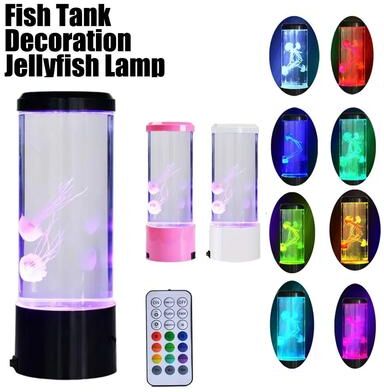
Uplift Essentials Floating Jellyfish Sensory Mood Lamp Floating Jellyfish Sensory Mood LampDive into a world of tranquility with the Floating Jellyfish Sensory Mood Lamp, a mesmerizing centerpiece designed to bring the calming depths of the ocean into your living space. This highdefinition aquarium uses advanced fluid dynamics to create a...72,97 $*Shipping: 0,00 $Secure redirect to the provider
-
How do kindergarten teachers punish children with food deprivation?
Kindergarten teachers should never use food deprivation as a form of punishment. It is not an appropriate or effective way to discipline children. Instead, teachers should focus on positive reinforcement, setting clear expectations, and using appropriate consequences for misbehavior. It is important to create a safe and nurturing environment for young children to learn and grow. **
-
Can one have deficiencies despite using food deprivation products?
Yes, it is possible to have deficiencies despite using food deprivation products. While these products may help with weight loss by reducing calorie intake, they may not provide all the essential nutrients that the body needs. Additionally, prolonged use of food deprivation products can lead to nutrient deficiencies and other health issues. It is important to ensure that the body is receiving all the necessary nutrients through a balanced and varied diet, rather than relying solely on food deprivation products. **
-
Is sleep deprivation deadly?
Yes, sleep deprivation can be deadly. Chronic sleep deprivation has been linked to a number of serious health issues, including an increased risk of heart disease, stroke, and diabetes. Additionally, sleep deprivation can impair cognitive function and decision-making, leading to an increased risk of accidents and injuries. In extreme cases, prolonged sleep deprivation can even lead to death. Therefore, it is important to prioritize getting enough quality sleep for overall health and well-being. **
-
What is the difference between a primary sensory cell, a secondary sensory cell, and a sensory nerve cell?
Primary sensory cells are specialized cells that directly detect stimuli from the environment, such as light, sound, or touch. Secondary sensory cells receive signals from primary sensory cells and transmit them to the central nervous system. Sensory nerve cells, also known as sensory neurons, are responsible for transmitting the signals from secondary sensory cells to the brain, where they are processed and interpreted. In summary, primary sensory cells detect stimuli, secondary sensory cells relay the signals, and sensory nerve cells transmit the signals to the brain for processing. **
* All prices are inclusive of VAT and, if applicable, plus shipping costs. The offer information is based on the details provided by the respective shop and is updated through automated processes. Real-time updates do not occur, so deviations can occur in individual cases. ** Note: Parts of this content were created by AI.